From Lake Harriet to Christopher Street and Back Again

Remembering the Christopher Street That Held a Community

August 28, 2026

The distance between Lake Harriet and Christopher Street is more than a thousand miles, but memory has a way of collapsing distance without warning.

Not so much about individual people this time, but about the set. That’s what it felt like as I started putting the pieces back together.

There was Allstate Art, where I worked. Kiss My Cookies. Hercules on the corner. The loft a couple doors down. Boots and Saddles. Clyde’s. A Clean Well-Lighted Place, a lovely little gallery.

There was Richard White’s jewelry store. I remember Richard and his lover sitting behind the counters, working side by side. It was a dark little place, nothing flashy.

At Bleecker and Christopher was an Asian fruit stand. There was Paul Bolardo’s place further down Christopher. Across from Kiss My Cookies was a little photography store in a basement.

Then there was the food. Chicken from Jefferson Market for dinner. Turkey legs from the deli. Zito’s Bakery. And Rocco’s, where my favorite was the creamolata. Wonderful.

There were lots of other places, of course. These are simply the ones that stayed with me.

Together they made up this little world where we worked, ate, went out, saw friends and ran into people we knew.

It was a community, but today I was remembering the place that held the community.

And somewhere in the background was Sylvester singing “You Make Me Feel (Mighty Real),” probably drifting out of Boots and Saddles—also known as Bras and Girdles.

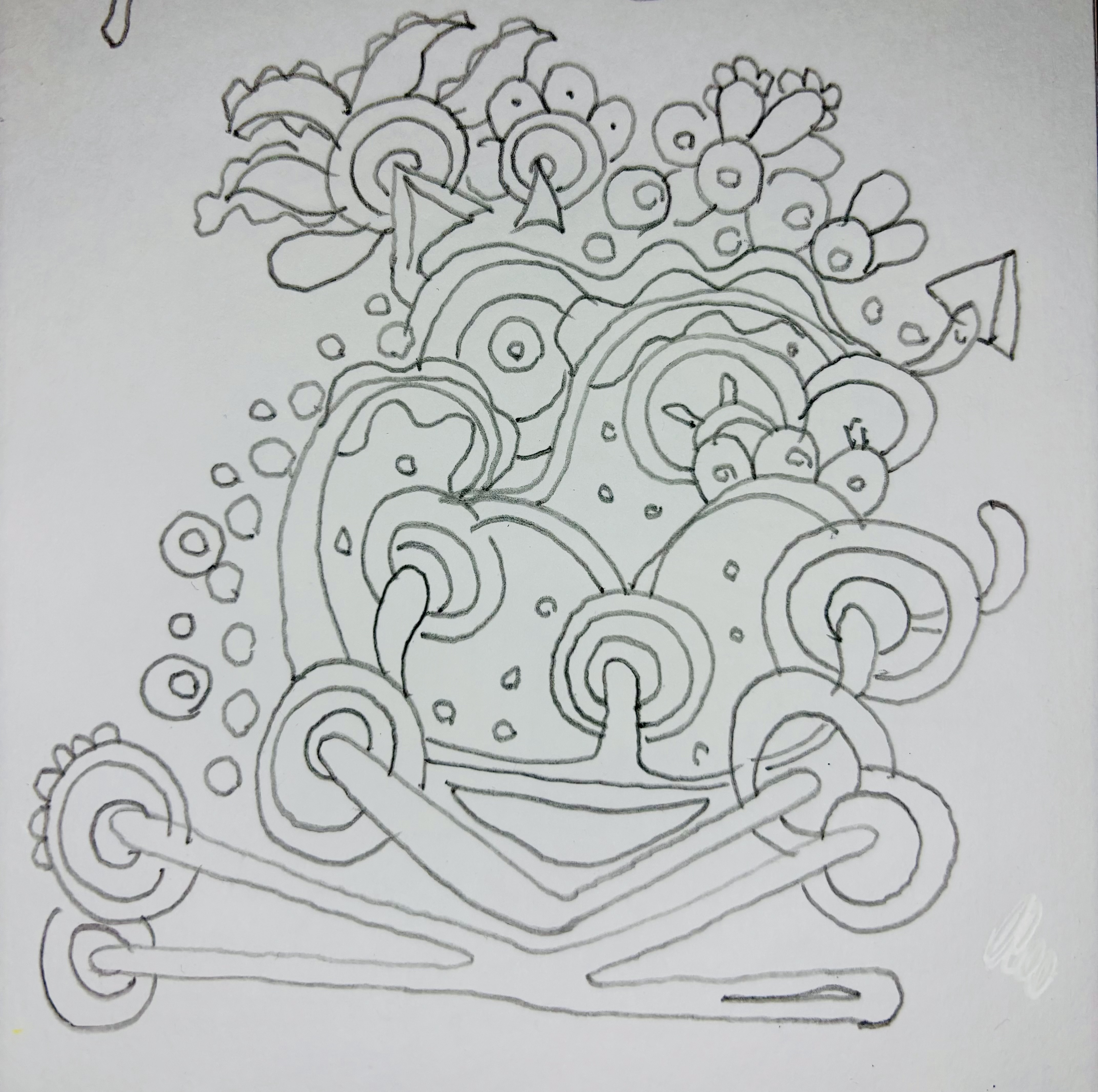
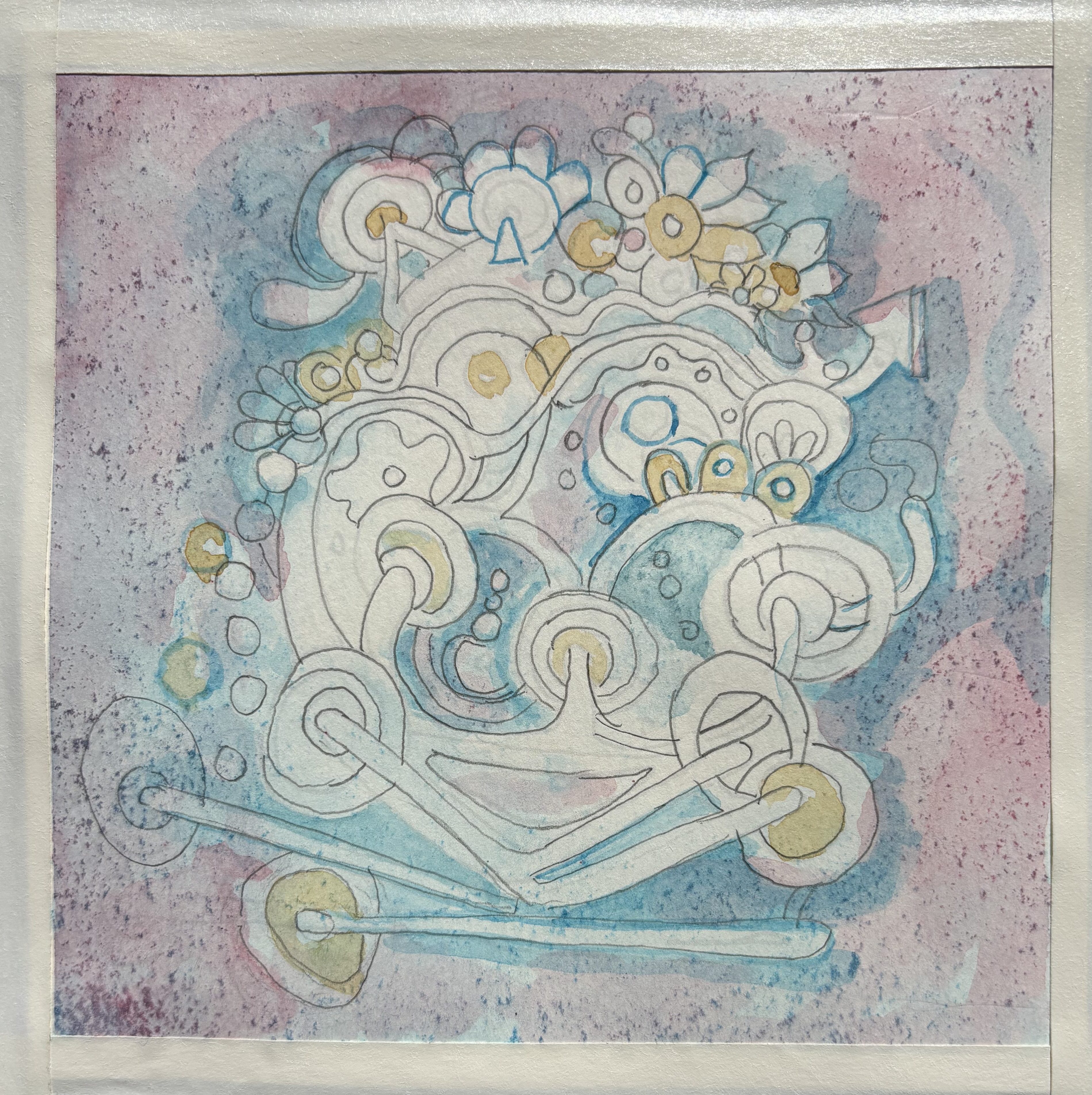
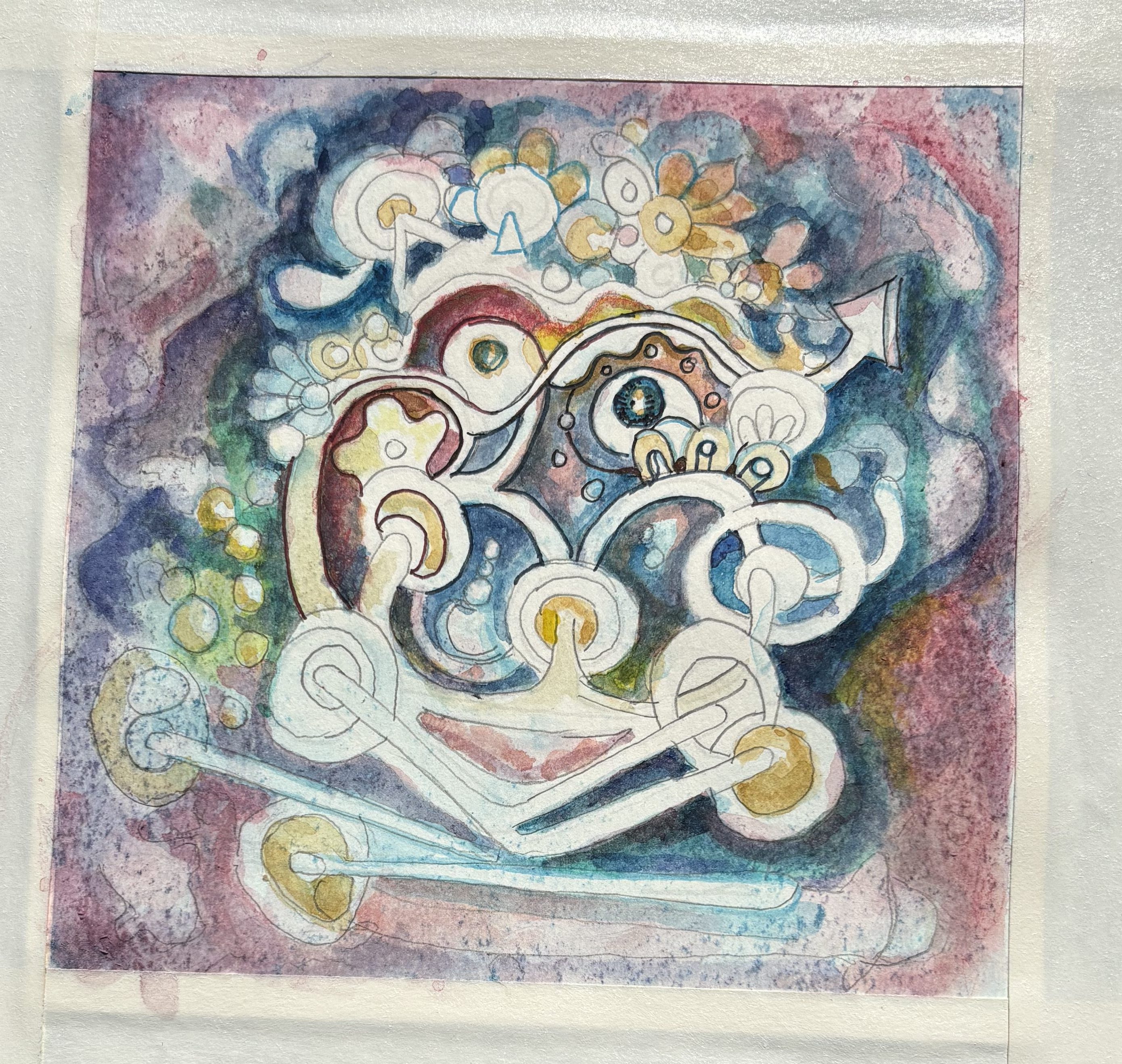
The drawing here isn’t Christopher Street. But somehow it feels right with these thoughts—pieces connected to pieces, the way memory sometimes works.

Today, for a little while, I could see the set again.

I wonder what part of it I’ll remember next.

Bill Hendricks


Continue the conversation

For more photographs, stories, and memories of Christopher Street, visit this Facebook group.

Marsha P.: When the Past Becomes Present

I find myself reminiscing about the past more often these days.

I think about Christopher Street and the wonderful life that was lived there. I think about the friends I made, and the friends who became family, during one of the most intense periods in LGBTQ+ history—the AIDS epidemic.

So many of those friends are gone now.

But I still think about them. I remember them. And I think about the wonderful life I have had, and the life I am still having, and how much fun it would have been to share some of this life with them.

Maybe that has something to do with how Marsha P. came into being.

The drawing did not begin as Marsha P. Johnson.

I know that.

It began as a very abstract sort of image. I was working with shapes and lines without any intention of making a portrait.

Then I began to see something.

First I saw the smile.

At this point, I was exploring how to tint underneath the drawing—putting color down and then bringing areas back.

As I worked, I began to see the eyes.

And all along there was a certain joy in the drawing that kept coming through.

I continued drawing, painting, changing things, covering things, uncovering things. The more I worked, the more something from my own history seemed to be coming forward.

My past became present.

Marsha was part of the world I remember.

I don’t mean that Marsha and I were close friends. We weren’t.

She was someone who passed through my life.

But she was a character on Christopher Street, just as I was a character on Christopher Street—working in a gallery among lots of other characters I loved dearly.

There was something about seeing her emerge from this drawing that gave me a way of becoming involved with that world again.

Not simply remembering it.

Participating in it.

For a little while, the distance between then and now became smaller.

The finished work became Marsha P.

For me, it carries more than the image of one person. It carries something of Christopher Street, of friendship, of loss, of survival, and of the extraordinary joy that existed alongside some very difficult years.

Maybe that is why the joy in the drawing matters so much to me.

The work later traveled to New York, where it was exhibited during Pride Month. The original Marsha P. is now available through Collective Z Gallery on Artsy.

But when I look at it, that isn’t what I think about first.

I think about the people.

I think about the life we lived.

Sometimes, while making a drawing, the past finds its way back into the room.


Currently at Collective Z

Collective Z is currently presenting Second Nature, bringing together painters Gwen Yip and Spencer Patrick. Their work considers the spaces New Yorkers move through—from the public world of subway platforms to the private interiors where people retreat.

Second Nature is on view through August 29, 2026, at Collective Z, 325 Broome Street, New York.

Learn more about the exhibition.