Returning to 51st Street

Returning to the former TR’s Gallery connected my first years in New York with my return as an exhibiting artist over forty years later.

Interior of the former TR’s Gallery space at 51st Street and Seventh Avenue in Manhattan, now converted into a brightly lit souvenir store filled with New York-themed T-shirts, mugs, gifts, and displays beneath a large “I ♥ NY” mural.
The former TR’s Gallery space today. The gallery where I managed Circle Fine Art’s TR’s Gallery in the mid-1980s is now a New York souvenir store. Walking inside, it was hard to imagine the walls once filled with original artwork instead of T-shirts, mugs, and postcards.

When I moved to New York in 1980, I knew exactly what I was looking for.

I was looking for a place where I could live openly as a gay man. I was looking for community. I was looking for a life where I didn’t have to explain or defend who I was. Like so many people before and after me, I came to New York searching for the freedom to become myself.

My first job was at Kiss My Cookies. Not long afterward, I went to work at All State Art on the corner of Christopher and Bleecker. From there I moved to TR’s Gallery, one of Circle Fine Art’s galleries, where I eventually became the manager.

This week I was back in New York because one of my drawings was included in The Ordinary, a group exhibition at Collective Z Gallery on the Lower East Side.

While walking through Midtown, I found myself standing in front of the building where TR’s Gallery used to be.

The gallery is gone. The ground floor is now a souvenir store. But the building is still there.

Standing there, I realized that I had come to New York searching then, and I had come back searching now.

The questions have changed.

At twenty-six, I was trying to figure out how to live.

At seventy-three, I’m trying to understand what that life has meant.

Maybe that’s one reason I’ve returned to making art.

The drawings aren’t simply images. They have become a way of looking back, asking questions, and seeing connections I couldn’t see while I was living them. More and more, the work feels autobiographical—not because it illustrates events from my life, but because every drawing carries something of the person who made it.

The gallery is gone.

The search isn’t.

Gratitude on the Last Day of Pride

Bill Hendricks sitting on rocks overlooking the Pacific Ocean in San Francisco, 1976, wearing puka shell necklaces and smiling into the camera. The photograph accompanies a reflection on gratitude, authenticity, and Pride.
San Francisco, 1976. Looking back at a younger version of myself—and feeling grateful for all the people who helped me become the person I am today.

Nobody, but nobody can make it out here alone.

—Maya Angelou, Alone

On this last day of Pride, I’ve been thinking about gratitude.

Looking back at this photograph from San Francisco in 1976, it’s pretty obvious I wasn’t trying to blend in.

Over the years, so many people looked beyond appearances and gave me the chance to learn, to serve, to teach, to create, and simply to become myself.

I’m grateful to my parents, my sister, and especially the Reid family, who became part of my chosen family. I’m grateful to my commanding officers in the Air Force, my professors, employers, colleagues, students, volunteers, and friends. I’m grateful to Minneapolis College, MCAD, Minneapolis Friends Meeting, and to Michael, who has walked beside me through it all.

None of us gets where we are alone. My life has been shaped by people who chose encouragement over fear, curiosity over judgment, and kindness over assumption.

As Pride Month comes to a close, thank you. You helped make my life possible.


Related post: This reflection continues many of the themes I explored in my recent post, Reflections on Collective Z.

Reflections on Collective Z

Reflections on Collective Z

Bill Hendricks, Kaitlin Reid, and Michael Reid pose in front of Marsha P. during The Ordinary exhibition at Collective Z Gallery in Manhattan, June 4, 2026.
Bill Hendricks, Kaitlin Reid, and Michael Reid at The Ordinary, standing in front of Marsha P. at Collective Z Gallery in Manhattan, June 4, 2026.

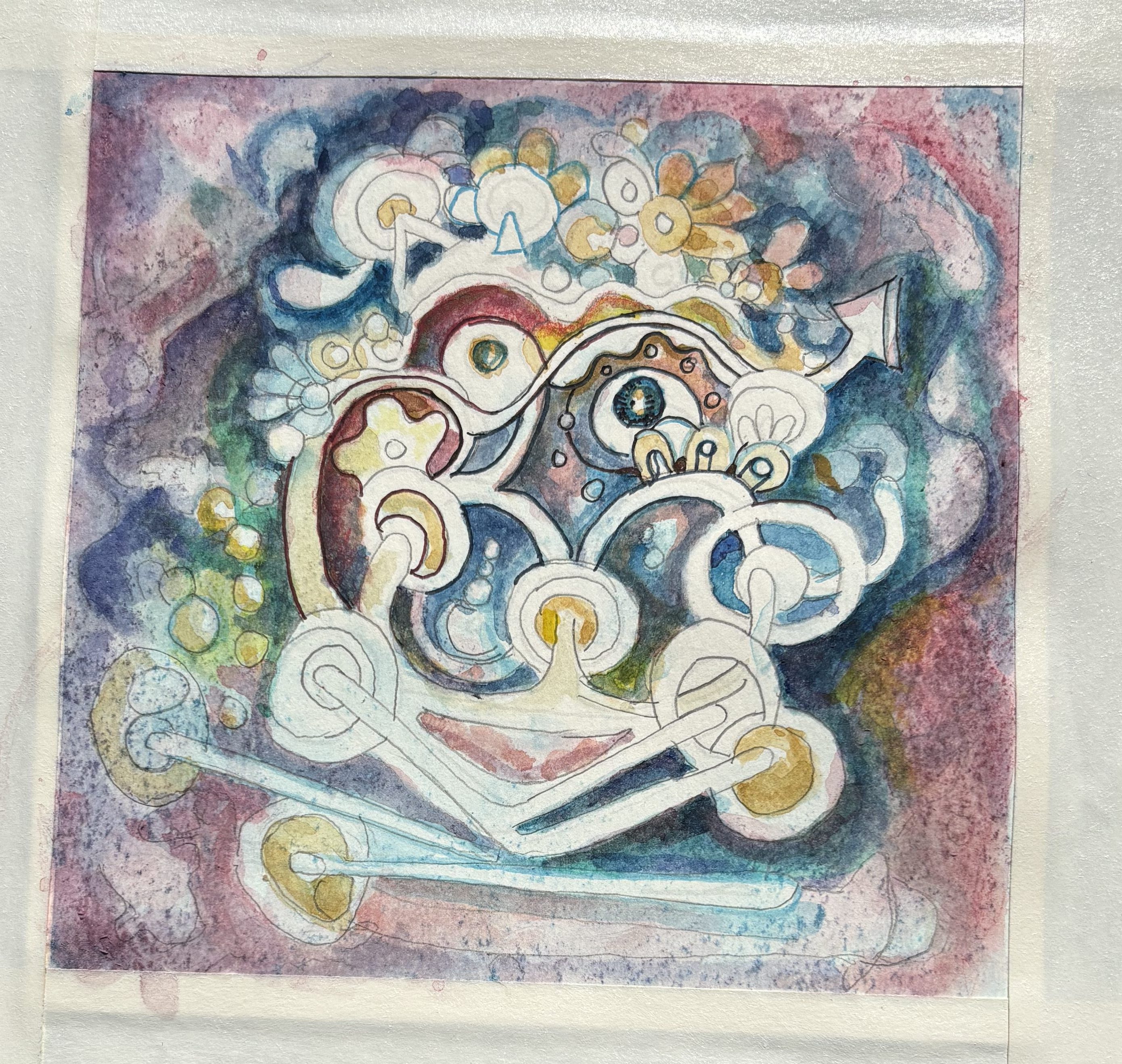
My drawing, Marsha P., was recently included in The Ordinary, a Pride Month group exhibition at Collective Z Gallery in Manhattan.

I went to New York not knowing quite what to expect. It had been a long time since I had shown work in a setting like this, and I arrived with all the usual questions: How would the work look? How would people respond? Would I feel comfortable there?

What surprised me most was how interested I became in the other artists’ work. I arrived focused on my own piece, but quickly found myself drawn into the larger exhibition. The quality of the work impressed me, and I was proud to see Marsha P. holding its own among it.

There was another surprise.
Friends appeared. Some I had not seen in years. Others reached out online. Their support meant more to me than I expected.

Standing in the gallery, surrounded by artists, friends, and people engaging with the work, I felt something I hadn’t anticipated: a sense of belonging.

When I look back on the experience, I will remember the artwork, the conversations, and the people who showed up. But I will also remember realizing that, after many years, I still have something to contribute as an artist.

For that, I am grateful.


The Ordinary remains on view through the end of the month at Collective Z Gallery in Manhattan. Marsha P. is also available for purchase.

I am especially grateful to Alex Wang and Collective Z Gallery for creating the exhibition, bringing together such a diverse group of LGBTQ+ artists, and making space for these conversations.

The Ordinary — Pride Month Exhibition at Collective Z

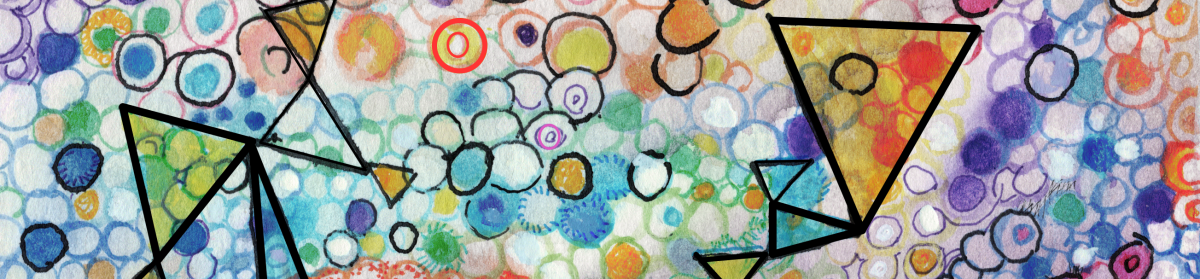
Promotional collage for The Ordinary, a Pride Month group exhibition, featuring a grid of diverse mixed-media artworks including abstract drawings, figures, symbols, and contemporary visual narratives by participating artists.
The Ordinary — a Pride Month group exhibition at Collective Z Gallery featuring works by participating artists.

“Being queer is ordinary. So is making good work.”
Collective Z, The Ordinary exhibition statement

When Collective Z announced The Ordinary, I immediately understood why the title mattered.

For many of us, simply living our lives has too often been treated as something unusual, controversial, or in need of explanation. Yet most of life is made up of ordinary things: friendships, work, love, loss, community, and the hope of being seen for who we are.

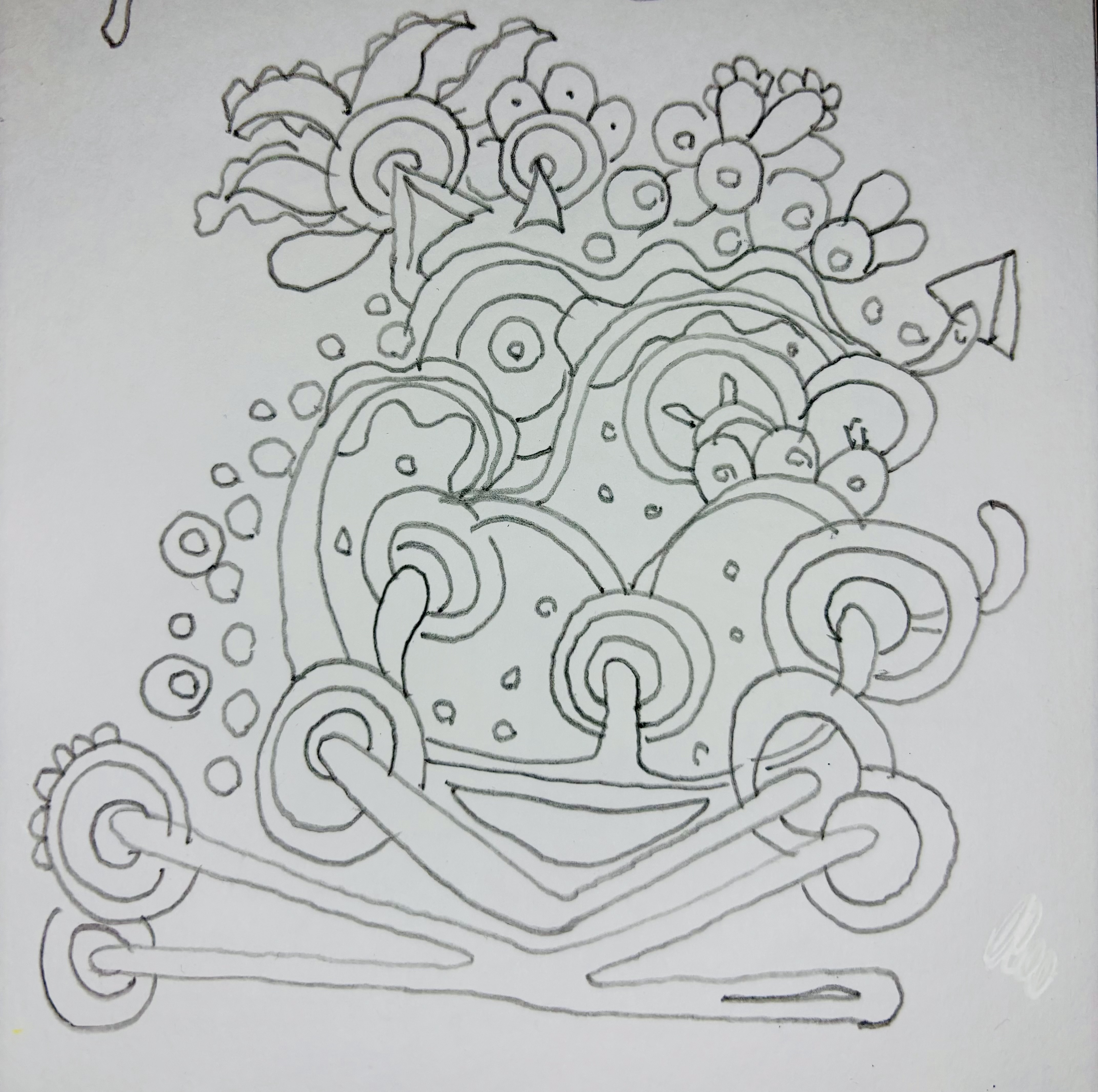
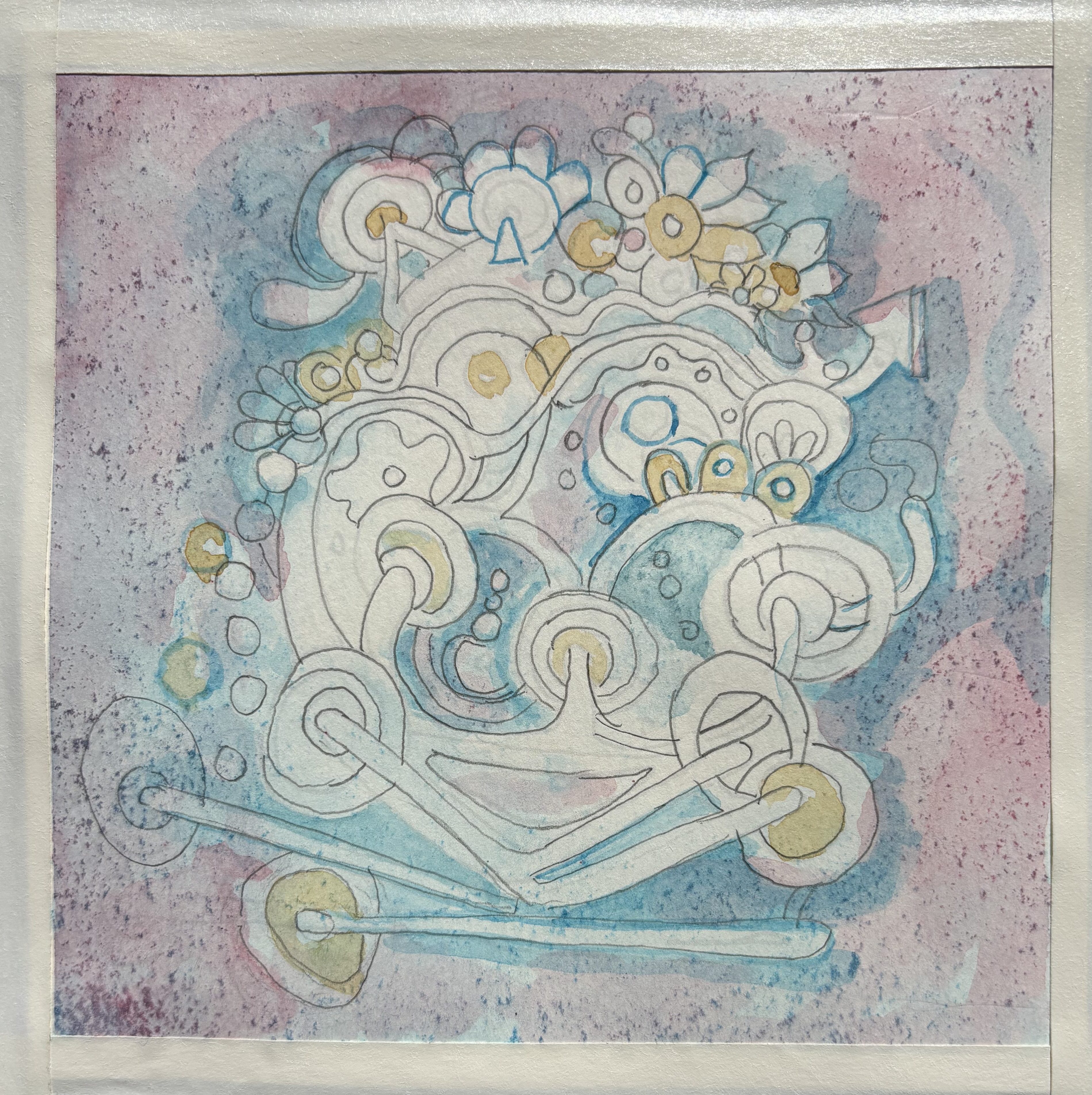
My piece Marsha P. is included in this exhibition. It began as a reflection on Marsha P. Johnson, but it also became a reminder of the people who came before us and the lives that made our own possible.

Sometimes the most important stories are not extraordinary at all. They are simply human.

Marsha P. Johnson, New York, and Old Threads

Expressive watercolor and ink painting with luminous circular and organic forms, honoring the resilience and spirit of Marsha P. Johnson.
Marsha P, watercolor and ink on paper, 2025

Accepted: The Ordinary — Collective Z, New York

I’m happy to share that my piece “Marsha P. (Johnson)” has been accepted into The Ordinary, a Pride Month group exhibition at Collective Z in New York City.

The exhibition opens June 4, 2026 and runs through June 30. Michael and I will leave this Thursday to attend the opening on June 4 and return to the Twin Cities on June 7.

What’s interesting to me is that this isn’t really the beginning of something entirely new. While walking today I found myself remembering another LGBTQ exhibition in New York years ago that accepted one of my postcard works — a shadow image of Frank Stark and me against a wall.

Funny how these threads continue across time, even when we forget them for a while.

And if you’ve followed this blog for a while, you’ve probably seen Marsha appear here before.

“Marsha P. (Johnson)” is a mixed media work on paper inspired by Marsha’s presence, courage, and visibility. Having the work included in a Pride exhibition in New York feels especially meaningful given her history and connection to the city.

While working on the piece, there were moments where it felt as though Marsha herself appeared to greet me through the process — much the way insights or leadings sometimes emerge through meditation.

Image description:
Mixed media artwork on paper honoring Marsha P. Johnson. The piece combines layered textures, expressive marks, and symbolic imagery to evoke presence, resilience, vulnerability, and visibility within LGBTQ history and community.