I’ve got this theory that the giant majority—like 99.9% of all humans toiling creatively—are small potatoes. We’ll never be rich. We’ll never be famous … nowhere near as famous as we should be. Yet, we struggle on, undeterred that most of the world considers us to be small potatoes … if they consider us at all.
~ Ayun Halliday’s, Creative, Not Famous: The Small Potato Manifesto
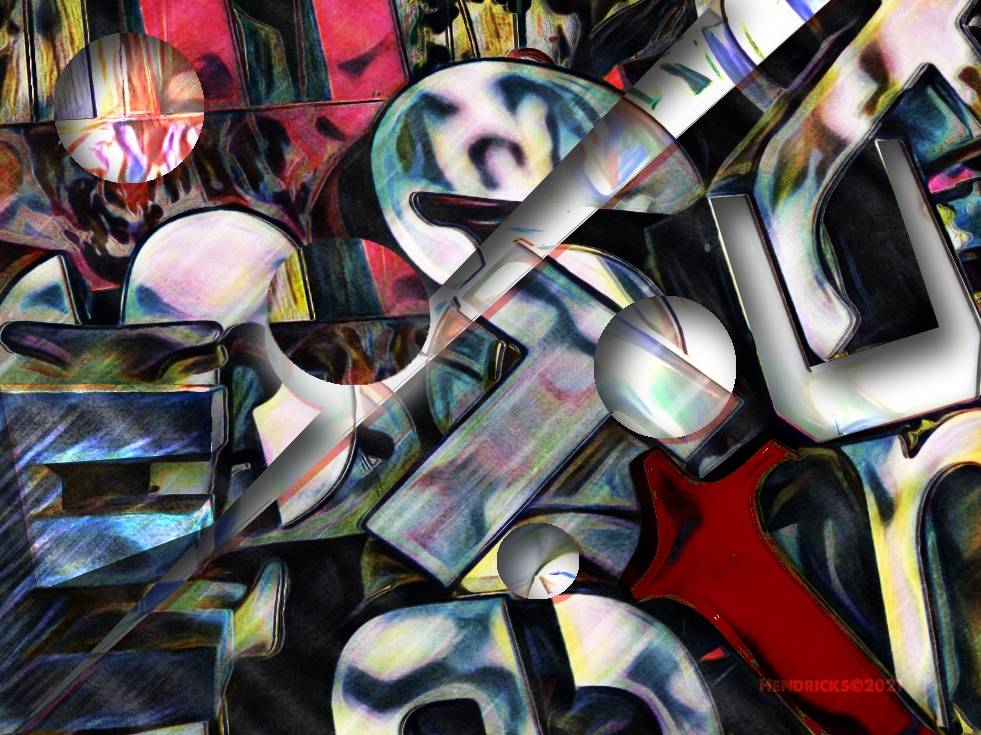
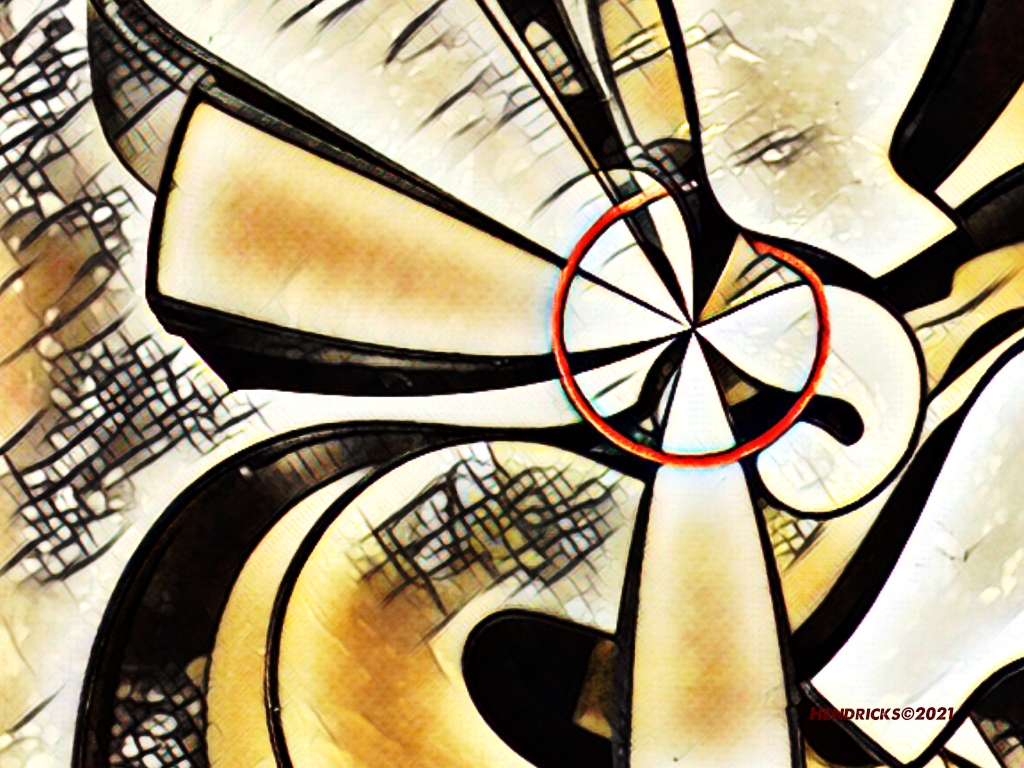
Keep on Truckin’. It’s an image inspired by a song with the same title.
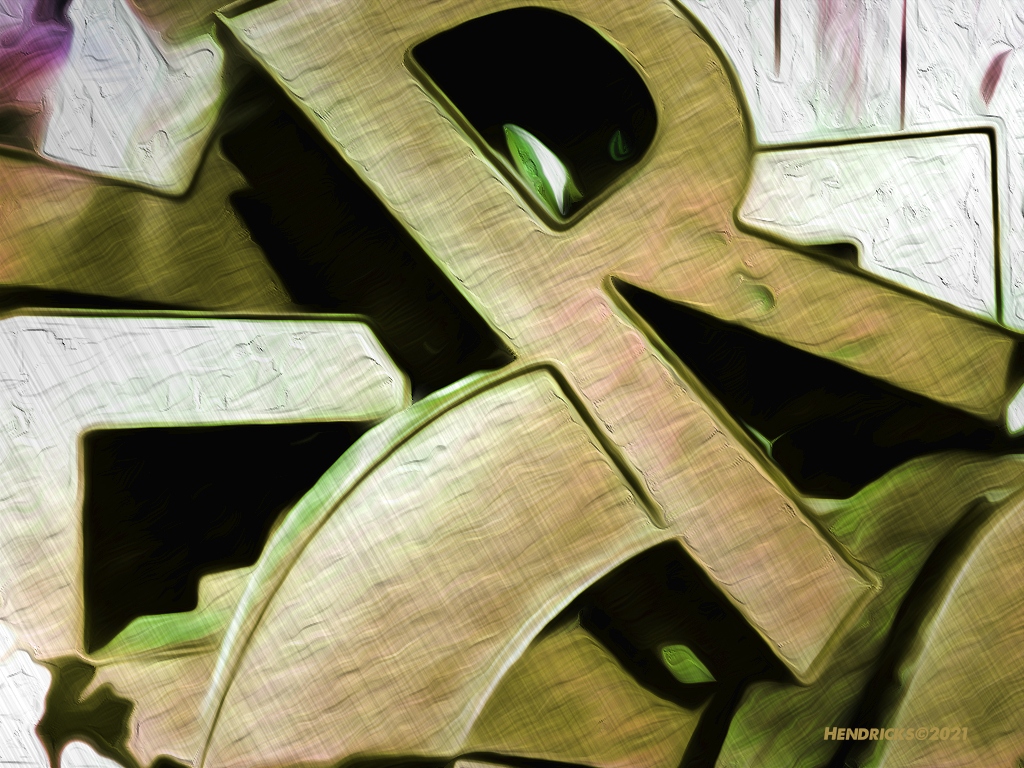
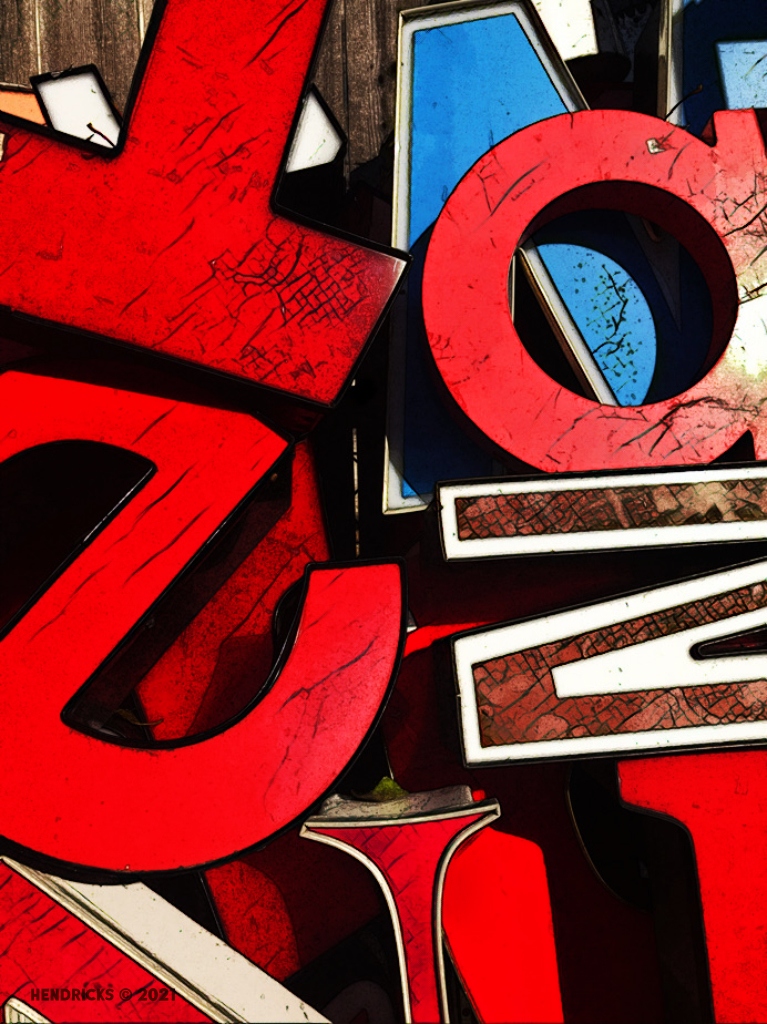
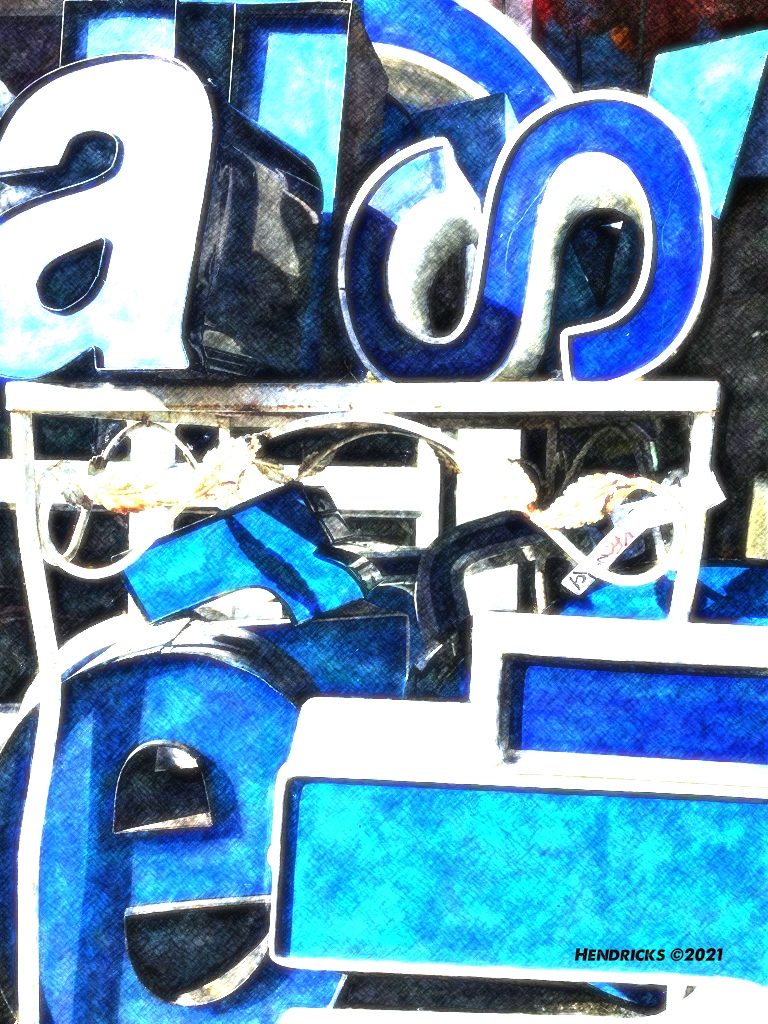
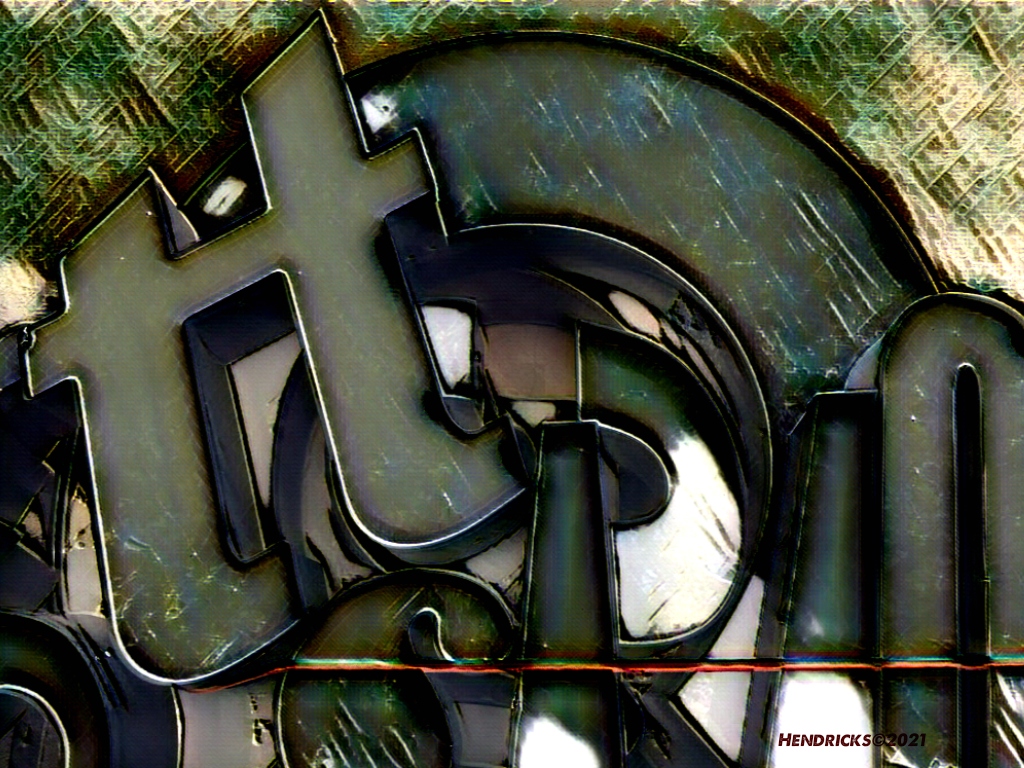
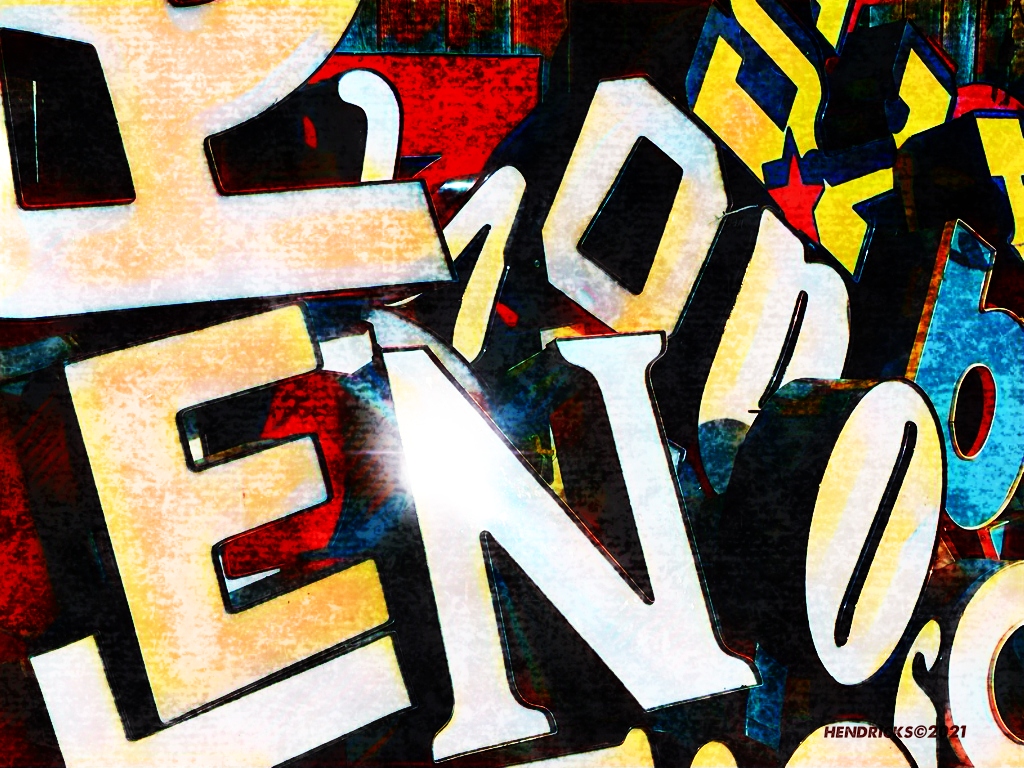
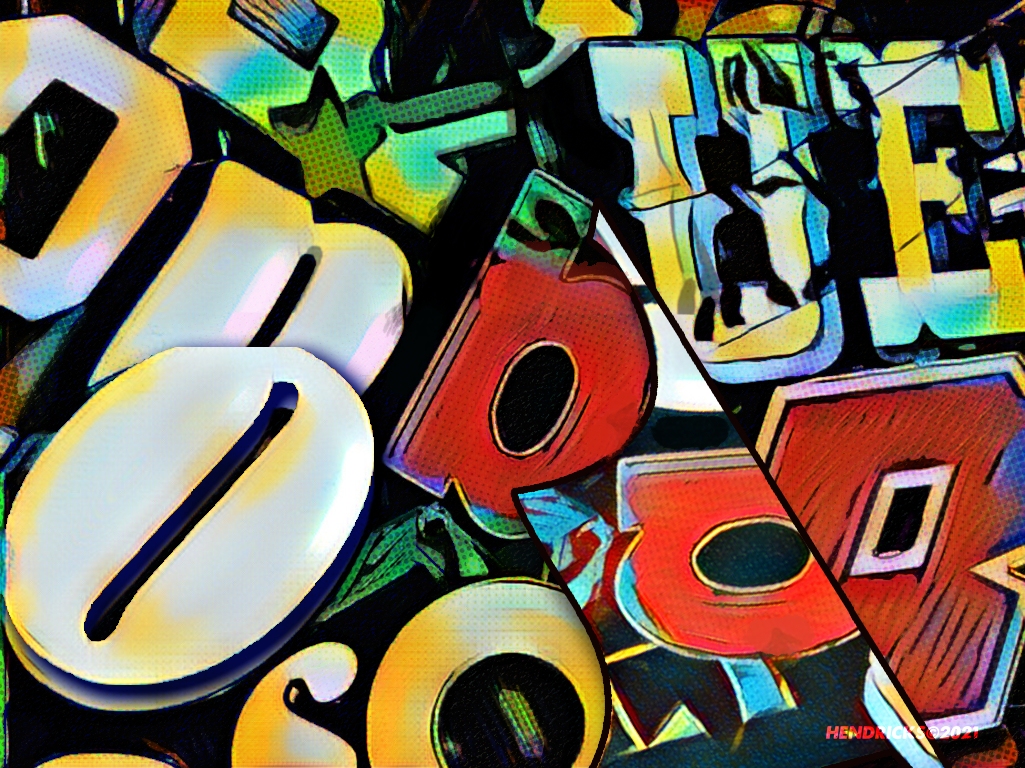
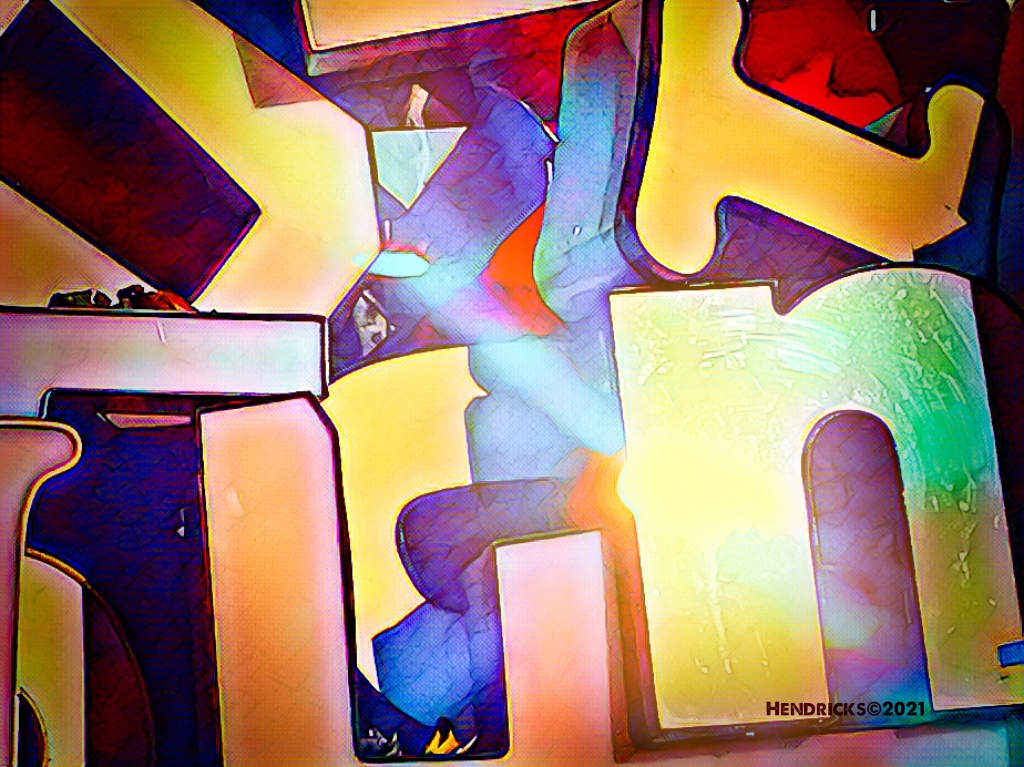
From the suite of images by Bill Hendricks, Words That I Cannot Spell.
Dyslexia is not a disability – it’s a gift. It means that I, and many other dyslexic thinkers can portray the world through images because we think in images. I can build worlds, freeze the frame, walk around and touch. I can read people’s faces, drawings, buildings, landscapes and all things in the visual world more quickly than many of my non-dyslexic friends. I paint with words; they are my colours.
Growing up, I had no idea why I had such a hard time reading and comprehending what I read. In my day, elementary school classes divided readers into groups: good, so-so, and poor. I always wanted to be in the good readers group, but I consistently found myself in the poor group with another student assigned as our tutor. I never understood why reading the things I wanted to read felt so difficult.
It was not until I joined the USAF that I discovered I was dyslexic. Reading is still a struggle, but like Sally Gardner, I believe dyslexia also allows many of us to experience the world differently. Personally, I think dyslexia contributed to my ability to express myself through art and other creative problem-solving endeavors.
I included Sally Gardner’s poem, Disobeys Me, with my suite of images titled Words That I Cannot Spell, because it speaks to an experience many people with dyslexia understand deeply.
I also want to thank Hunt and Gather Antiques for allowing me to photograph the incredible collection of letters in their backlot.