Words I Cannot Spell

Isle of Rowlyria, Second Life — August 2026

When I was asked to do a show in Second Life, I decided to go back to an older body of work. I didn’t want to make a new show just for the sake of making something new. I wanted to look again at work that still had something to say to me.

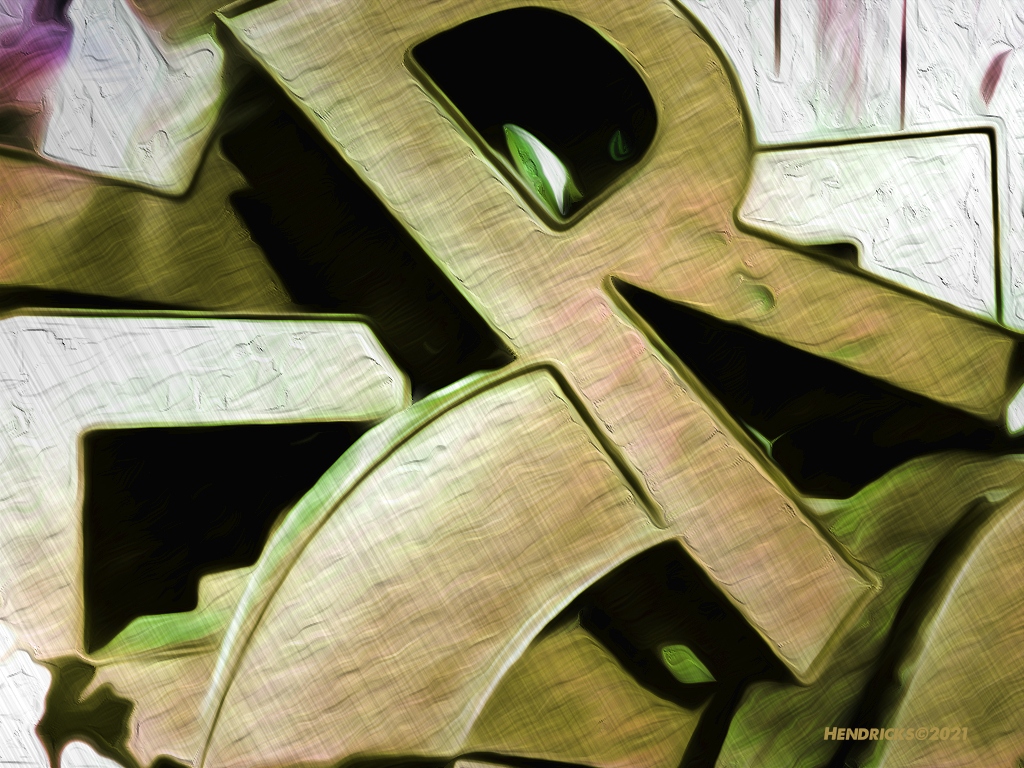
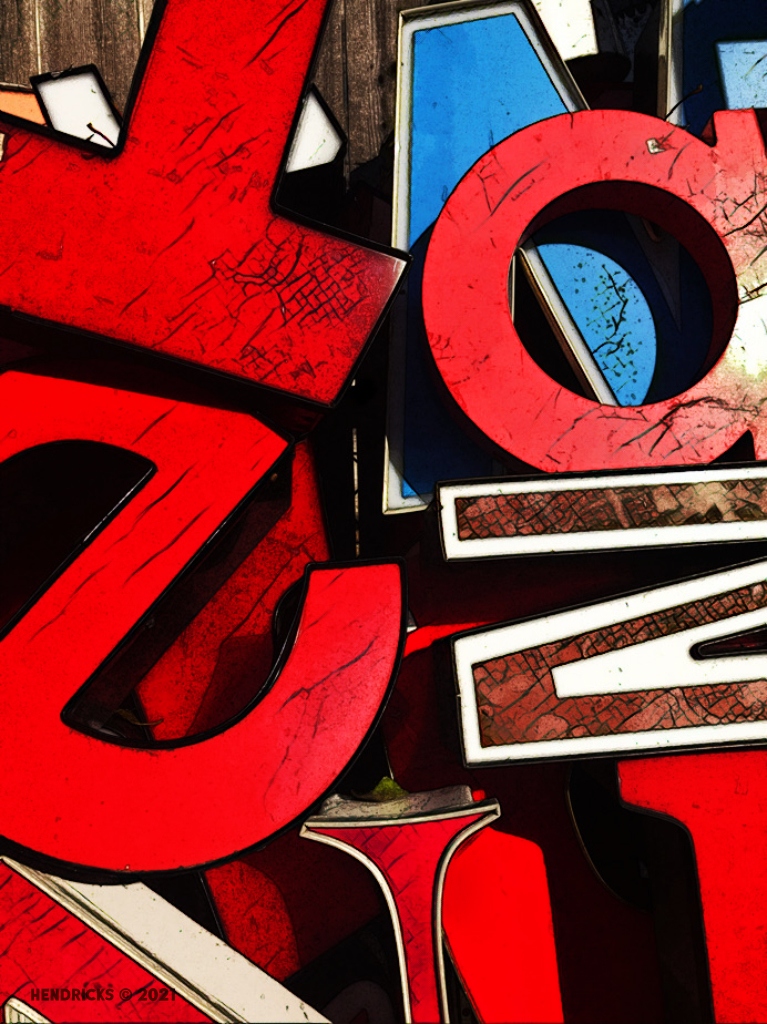
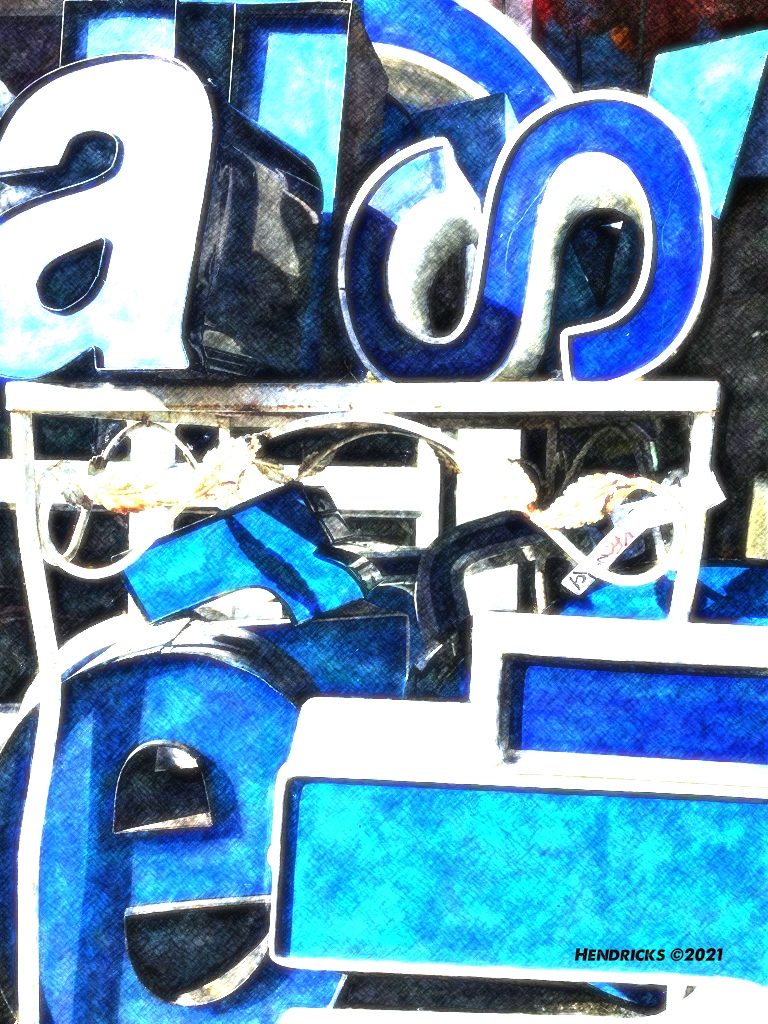
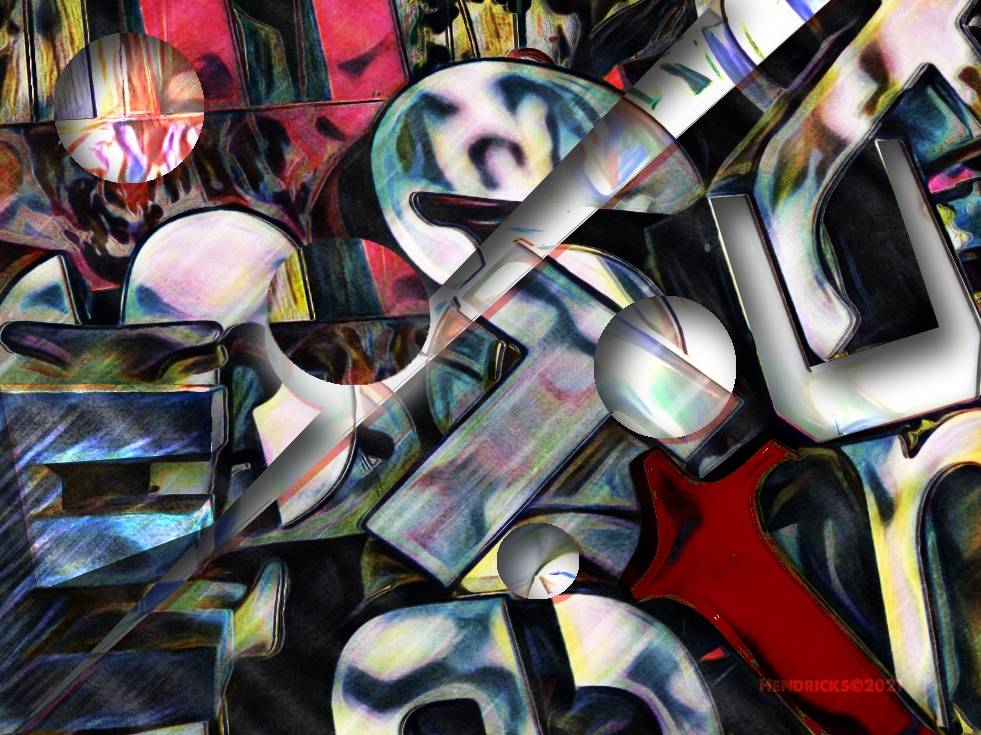
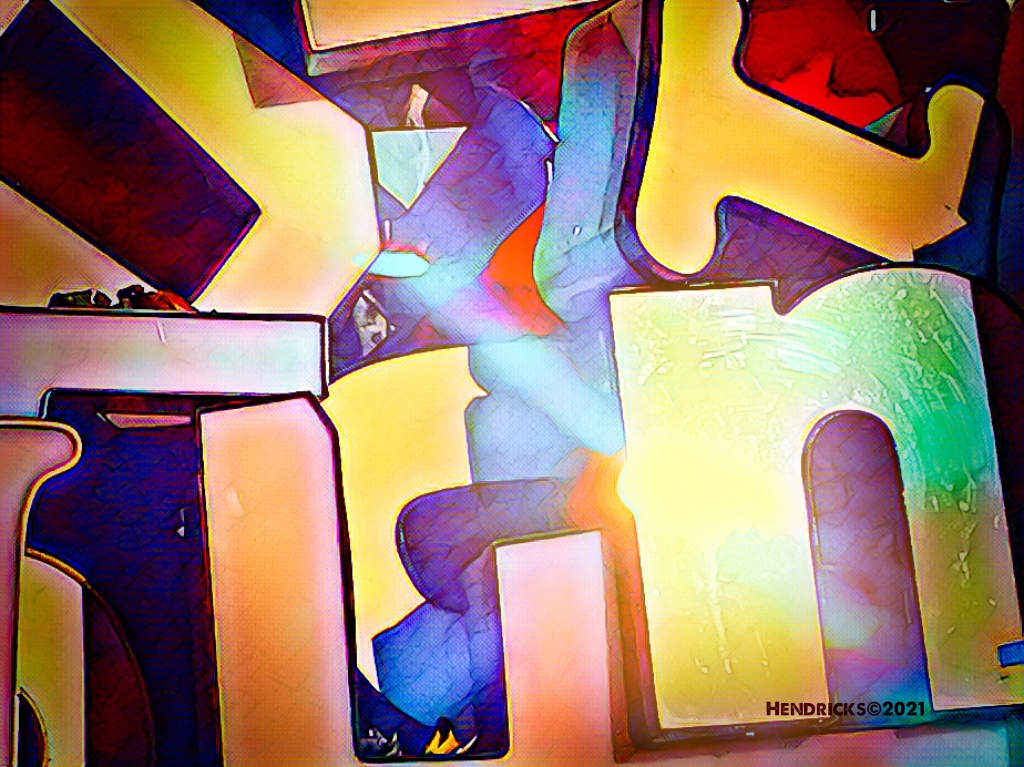
Words I Cannot Spell started several years ago at Hunt & Gather, a wonderful old junk shop in Minneapolis. I saw a pile of letters stacked on top of one another. I stopped and looked at them.

I thought, that’s how I see words.

I started taking photographs.

But the photographs were too perfect. The camera knew exactly where every letter was supposed to be. I don’t always see them that way.

I began to have fun. I jumbled things up to more or less replicate what a page sometimes looks like to me—with a dash of anxiety and confusion thrown in.

That is what interested me about bringing these pieces back for the Second Life exhibition.

I was very appreciative of the opportunity to show this body of work again. The work is older, but the experience behind it is still very much a part of how I see.

Lately I have been doing a lot more writing—articles, agendas, reflections, and writing about my artwork. Maybe that’s why I found myself thinking about those letters again and about how I see words.

Showing this work again gave me another opportunity to give the viewer a little insight into how I experience the world through dyslexia.

Sometimes older artwork just needs another place and another time to speak.


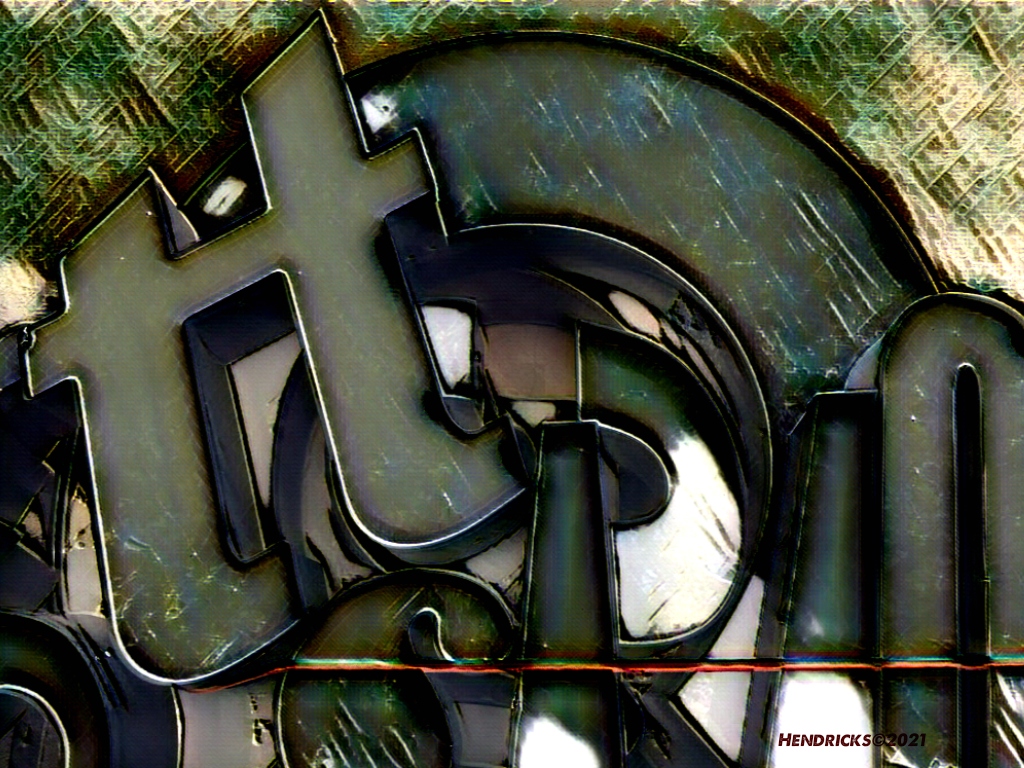
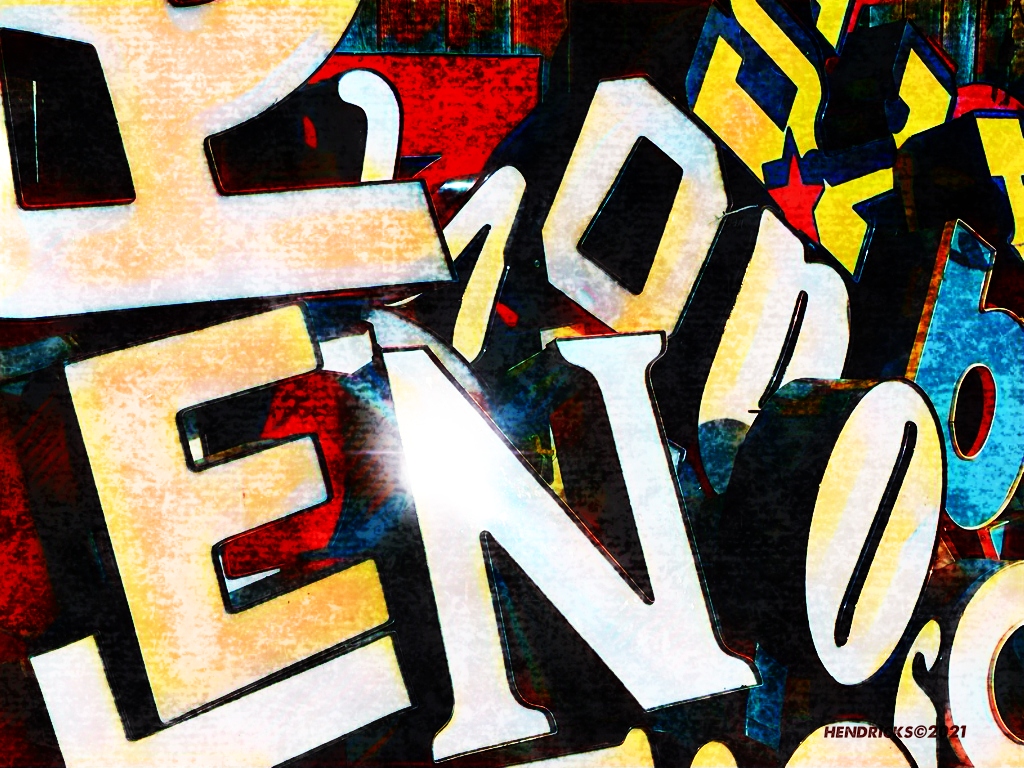
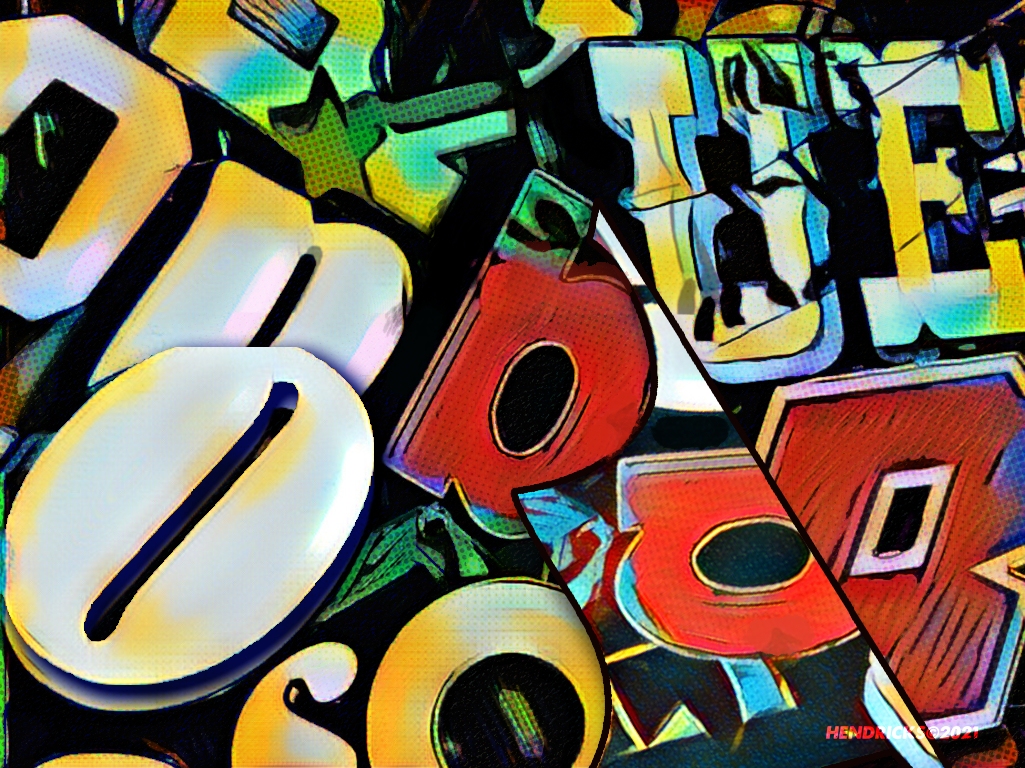
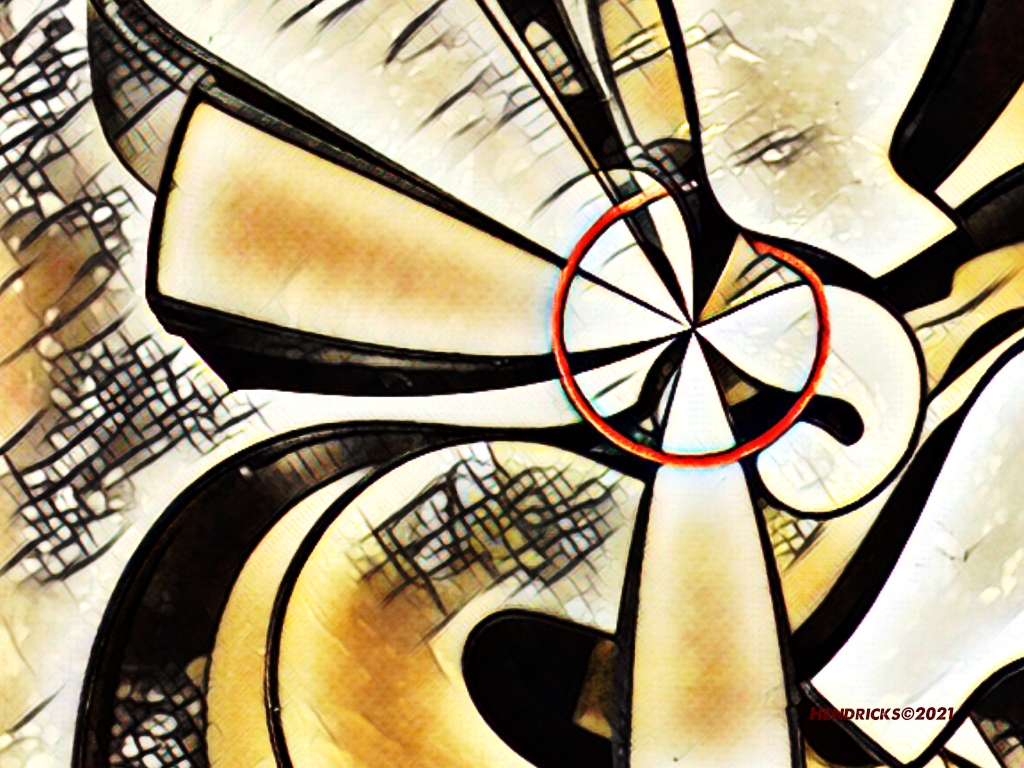
From the series, Words I Cannot Spell. A image by Bill Hendricks
From the series “Words I Cannot Spell,” by Bill Hendricks.

View the Words I Cannot Spell gallery

Hunt & Gather

Looking Back, Looking Forward: A Follow-Up to “Patterns Emerge”

Maps, patterns, and finding my way

Mixed media drawing framed like a symbolic icon, featuring a stylized central form resembling a letter B or figure, directional arrows, geometric symbols, ribbon-like lines, and soft blue shading — suggesting identity, energy, and becoming.
Metaphysical Being — mixed media on paper, 2026.

Maps, patterns, and finding my way

Metaphysical Being — mixed media on paper, 2026.

Lately I’ve been thinking about how I got here.

I was born in 1953.

In 1969, I remember hearing about Stonewall late one night on KDWB radio. They were interviewing Jack Baker.

I was sixteen years old.

For the first time, I realized there were others. I wasn’t alone.

Looking back now, I realize that moment wasn’t just about being gay. It was the beginning of a lifelong search for direction—for understanding how people find their place in the world and how we make sense of lives that don’t always fit the expected path.

I’ve spent much of my life looking for paths.

Sometimes those paths appeared as maps. Sometimes as diagrams. Sometimes as outlines, websites, or decision trees. Often they appeared simply as ways of organizing what I could see—and finding relationships among things that did not, at first, seem connected.

As a teacher, I spent years making outlines, building websites, drawing wireframes, and thinking in mind maps. I taught Gestalt theory—the idea that our minds naturally seek relationships and organize visual information into meaningful wholes.

Being dyslexic, I think I was already doing that long before I knew there was a name for it.

I’ve often described myself as someone who sees patterns. And I still believe that’s true.

But during one of my daily walks, another thought quietly surfaced.

Maybe what has fascinated me all these years hasn’t been patterns themselves.

Maybe it’s been finding my way.

Patterns are useful because they reveal possible paths. Maps matter because they help us navigate. Even a labyrinth has a pattern—but its purpose isn’t the pattern itself. Its purpose is to help us travel and find ourselves.

That realization feels surprisingly important.

When I look back over my life—from hearing Jack Baker on the radio… to teaching students how we make sense of the world… to designing websites… to creating art… to exploring identity, community, and spirit—I don’t see disconnected experiences anymore.

I see one long journey.

The maps changed.

The questions changed.

The medium changed.

But the journey remained remarkably consistent.

Lately I’ve started calling some of my drawings Decision Trees.

At first I thought they were simply abstract compositions.

Now I wonder if they’re visual journals.

They resemble the maps, outlines, webs, and structures I have used throughout my life—not because I planned them that way, but because they’ve always been part of how I think.

As an artist, I don’t begin with answers.

I begin with curiosity.


Here’s a bit of what KDWB sounded like around that time:
KDWB—Channel 63, January 3, 1970.

Related post: This reflection continues the ideas I began exploring in Looking Back, Looking Forward, where I considered how patterns can help us find our way.

Dyslexia is not a disability – it’s a gift.

From the series Words I Cannot Spell by Bill Hendricks. A photographic image of scattered and layered letterforms exploring dyslexia, language, and visual perception.

From the suite of images by Bill Hendricks, Words That I Cannot Spell.

Dyslexia is not a disability – it’s a gift. It means that I, and many other dyslexic thinkers can portray the world through images because we think in images. I can build worlds, freeze the frame, walk around and touch. I can read people’s faces, drawings, buildings, landscapes and all things in the visual world more quickly than many of my non-dyslexic friends. I paint with words; they are my colours.

~ Sally Gardner (Davis Dyslexia Association International)

Growing up, I had no idea why I had such a hard time reading and comprehending what I read. In my day, elementary school classes divided readers into groups: good, so-so, and poor. I always wanted to be in the good readers group, but I consistently found myself in the poor group with another student assigned as our tutor. I never understood why reading the things I wanted to read felt so difficult.

It was not until I joined the USAF that I discovered I was dyslexic. Reading is still a struggle, but like Sally Gardner, I believe dyslexia also allows many of us to experience the world differently. Personally, I think dyslexia contributed to my ability to express myself through art and other creative problem-solving endeavors.

I included Sally Gardner’s poem, Disobeys Me, with my suite of images titled Words That I Cannot Spell, because it speaks to an experience many people with dyslexia understand deeply.

I also want to thank Hunt and Gather Antiques for allowing me to photograph the incredible collection of letters in their backlot.


New Works–Words I Cannot Spell

a digital image created by Bill Hendricks
Bill Hendricks © 2020

“Disobey Me” is a poem by Sally Gardner. 

They told me I was dyslexic

it didn’t describe me
belonged in the library
of words I can’t spell|
no matter how many times they tell
you just try harder sound it out
simple when you think about
it. Stop giving me the third degree
don’t put me down
don’t make me fret
I can’t learn my alphabet
it doesn’t go in any logical order
the stress gives me attention deficit disorder
at school I wanted to go it alone
they told me that’s unwise
they called me unteachable 

The poem continues …. Disobey Me

Please visit the other images in the series, “Words I Cannot Spell” (words-that-i-cannot-spell-an-experience-of-a-dyslexic/)